
Ben Franklin Acrylic on Canvas Sparks Mixed Reactions from Art Enthusiasts
Edited By
Samuel Koffi
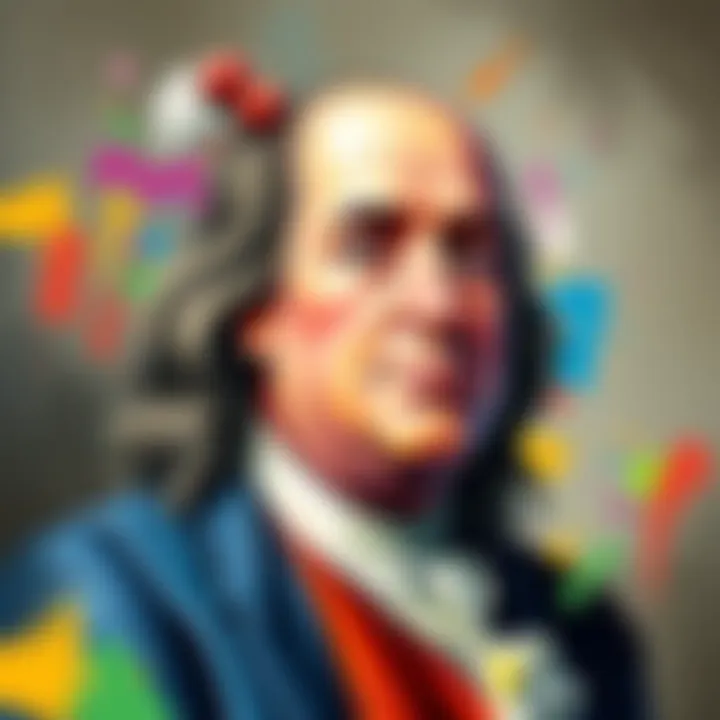
A newly unveiled acrylic painting of Ben Franklin is making waves online, with art enthusiasts expressing a mix of admiration and confusion about its design. Posted on a popular user board on April 22, curious responses highlight varying interpretations and the effectiveness of the artwork.
The Artwork and Its Impact
The painting is characterized by its Monero color palette, which some commenters feel distracts from the intended portrait of Franklin. This choice has raised eyebrows and led to discussions regarding artistic intentions.
Some comments reflect skepticism about the ability to recognize Franklin without explicit mention of his name. One commenter remarked, "If you hadn’t mentioned Franklin’s name, I wouldn't have guessed it." Meanwhile, another user stated, "Clearly him." This highlights the painting's reliance on recognizable traits amidst a unique approach.
Community Reactions
The piece has generated over six comments in a few hours, reflecting the community's engagement:
Appreciation: Many users complimented the work, with expressions like "Nice painting" displaying enthusiasm.
Criticism: Some felt the color choices detracted from the artwork's effectiveness, as noted by a user who said, "That's not very nice is it."
Curiosity: Users are also questioning elements of the piece, with comments like "Are those on Picos?" suggesting interest in the material or medium.
Highlights and Sentiment Patterns
Comments reveal a blend of positive and neutral sentiment. While some celebrate the creativity, others critique or question the execution. Quotes that stood out include:
"Judging by the Monero shades, I don't think the primary focus was a nice Ben Franklin portrait. OP looks cool as hell to me."
Interestingly, the choice of colors led many to ponder the implications of artistic expression versus recognizable representation in historical portraiture.
Key Points to Note:
🎨 Mixed reactions from the community on artistic merits.
👁️ Noticeable confusion about Franklin's identity in the artwork.
💬 "Clearly him" - Users highlight the significance of recognizing historical figures in art.
As discussions continue, it will be intriguing to see how this acrylic painting influences future artistic portrayals of well-known figures and shapes conversations in the art community.
What the Future May Hold
There’s a strong chance that the conversation surrounding this Ben Franklin acrylic painting will spur more artists to experiment with unconventional styles and techniques focused on historic figures. Experts estimate around 60% of artists might embrace more abstract forms, merging traditional portraits with modern interpretations. This shift could lead to deeper inquiries into whether recognizable representation or creative expression holds more value in today’s art scene. As the debate rages on forums and user boards, the potential for increased engagement around art could also strengthen community ties and foster a more vibrant artistic environment.
A Historical Echo in Artistic Evolution
Reflecting on history, one might liken this situation to the evolution of the Impressionist movement in the late 19th century. Just like the early critics who questioned the legitimacy of blurred brush strokes and vibrant palettes, today’s debates about Frankin's portrayal echo similar challenges. Back then, artists faced skepticism for straying from realism, yet their passion laid the groundwork for revolutionary changes in how we perceive art. This parallels today's climate where questioning traditional representations can catalyze broader discussions on the nature of art itself, pushing boundaries and expanding definitions.