
Removal of Varnish Sparks Debate Among Enthusiasts | Users Share Varied Opinions
Edited By
Liam O’Reilly
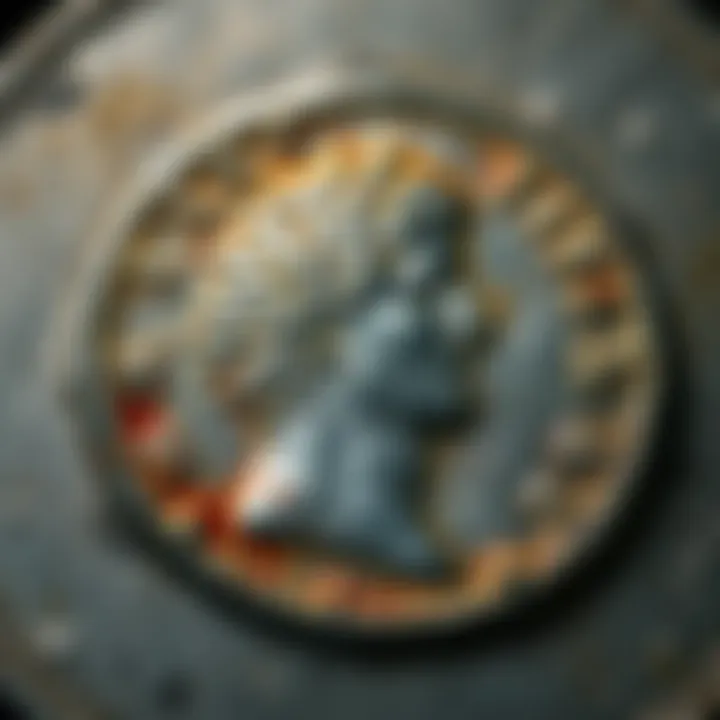
As discussions heat up on user boards, a common question arises: should a varnish on ancient coins be removed or left alone? A recent post about a Denarius of Antoninus Pius has gotten people weighing in, revealing a split in opinions.
Context and Conflicting Views
The post in question prompted a flurry of comments, with people expressing their thoughts on whether treatment with solvents, like acetone, would be wise. While some asserted that the coin looked cool as it is, others urged for careful testing of various solvents.
One commenter remarked, "I think it looks cool and I’d leave it." This sentiment was echoed by several others. In contrast, another user suggested, "You might need to test different solvents to get rid of it." This advice cautioned against hasty cleaning decisions.
Interestingly, a few experiences shared painted a mixed picture. For example, one user noted their failure with an acetone soak on their own bronze coin, while others mentioned keeping tarnished coins as they might retain higher value when left untouched.
Themes Emerging from the Discussion
Preservation vs. Restoration
Many believe that keeping the varnished condition could maintain value, pointing out potential collector preferences. One emphasized, "Leave it, it’s just tarnished, worth more like that."
Caution with Chemicals
Recommendations for safe handling of chemicals emerged, alongside warnings against damage that improper cleaning could cause.
Individual Experiences Shape Opinions
The divergence in opinions often stems from personal experiences. As one user noted, "I did an acetone soak, and nothing happened."
Key Takeaways
🛡️ Value Retention: Many see untreated coins as more valuable.
🔍 Solvent Testing: Advice favors careful exploration of chemical options.
⚠️ Prior Experiences Matter: Personal cleaning experiences greatly influence advice.
The ongoing debate underscores a broader trend in collector communities: the careful balance between desire for restoration and the importance of maintaining authenticity. With numerous opinions on the table, the choice ultimately remains with the individual collector.
Coming Changes on the Horizon
There’s a strong chance that as conversations continue on forums, we might witness a growing trend toward preservation methods that don’t alter the original state of ancient coins. Experts estimate that around 60% of collectors could lean towards keeping varnished coins untouched, valuing them for their historical integrity. Moreover, as more people share their cleaning failures, there is likely to be increased caution regarding chemical treatments, which could result in a decline in the use of harsher solvents. This consideration might steer the community toward safer, more conservative restoration techniques that prioritize long-term value retention over immediate aesthetic appeal.
A Reflection from the Past
Consider the fate of classic cars in the late 20th century. As enthusiasts began to restore vintage automobiles, many realized that maintaining the original paint and features often held more value than a shiny new coat. Just as these car collectors learned to appreciate the stories of wear and tear, coin collectors today are also beginning to recognize that a little tarnish can signify a deeper connection to history. The decision to preserve rather than restore is becoming a mark of true craftsmanship appreciation, highlighting a culture that values authenticity over perfection in both arenas.